 You are in our Global Site


Jul 13 , 2026
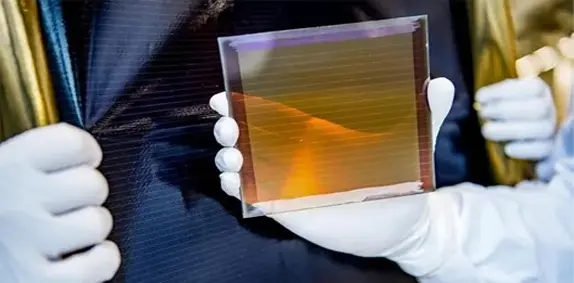
For universities, research institutes and R&D companies, choosing a perovskite coating machine is not only about preparing one thin film layer. A suitable system should support repeatable solar cell experiments, controlled thin film preparation, material comparison, device structure validation and future pilot testing.
Perovskite solar cell research often involves sensitive materials, multiple functional layers and strict process control. Different laboratories may focus on different stages, from basic material screening to device efficiency improvement, stability testing, OPV research, OLED thin film preparation or pilot-scale process development.
This is why researchers should not evaluate perovskite solar cell coating equipment only by one coating method or one sample size. The better approach is to consider the whole research workflow: which layers need to be prepared, whether vacuum coating is required, whether the process needs a glove box environment, and whether the system can support stable experiments over time.
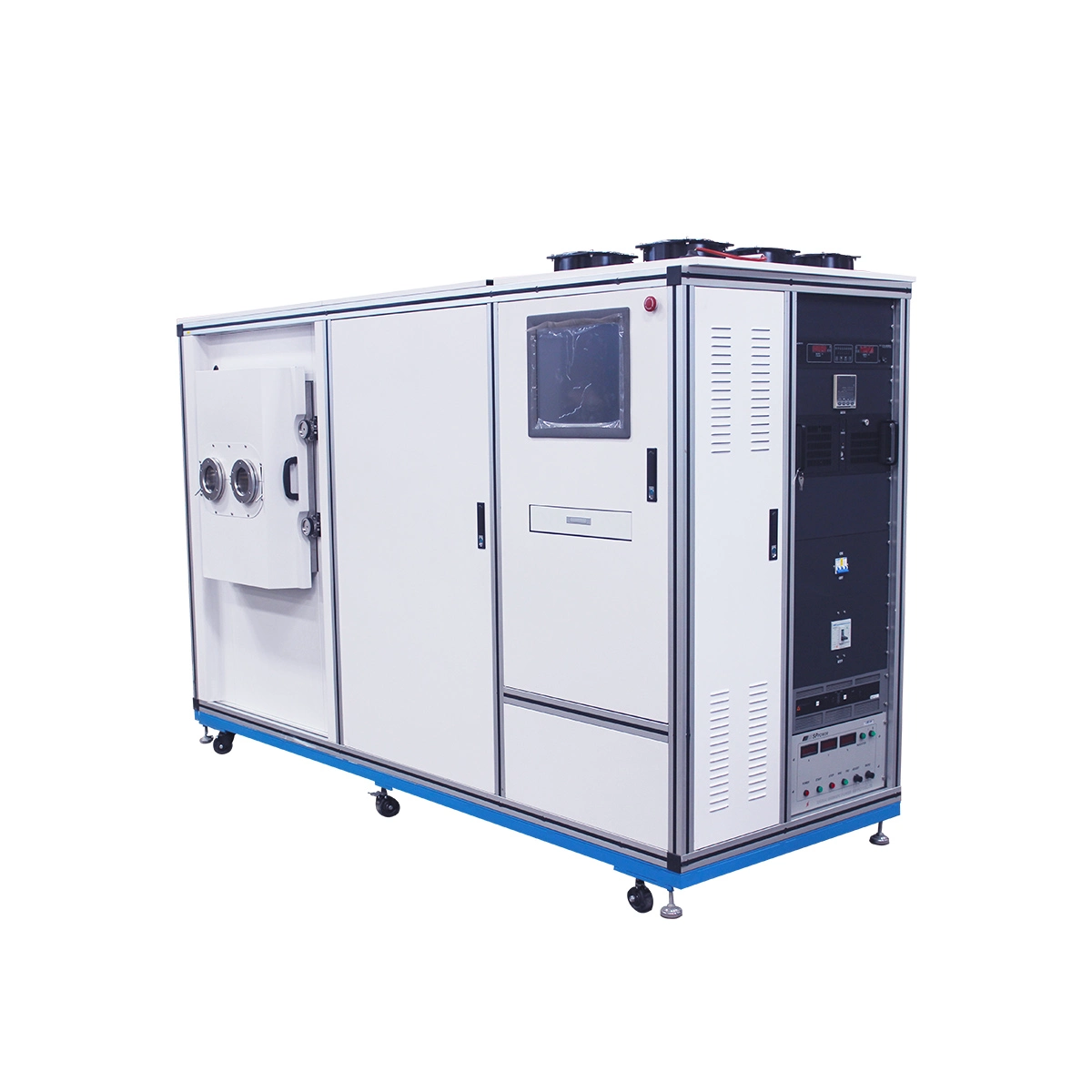
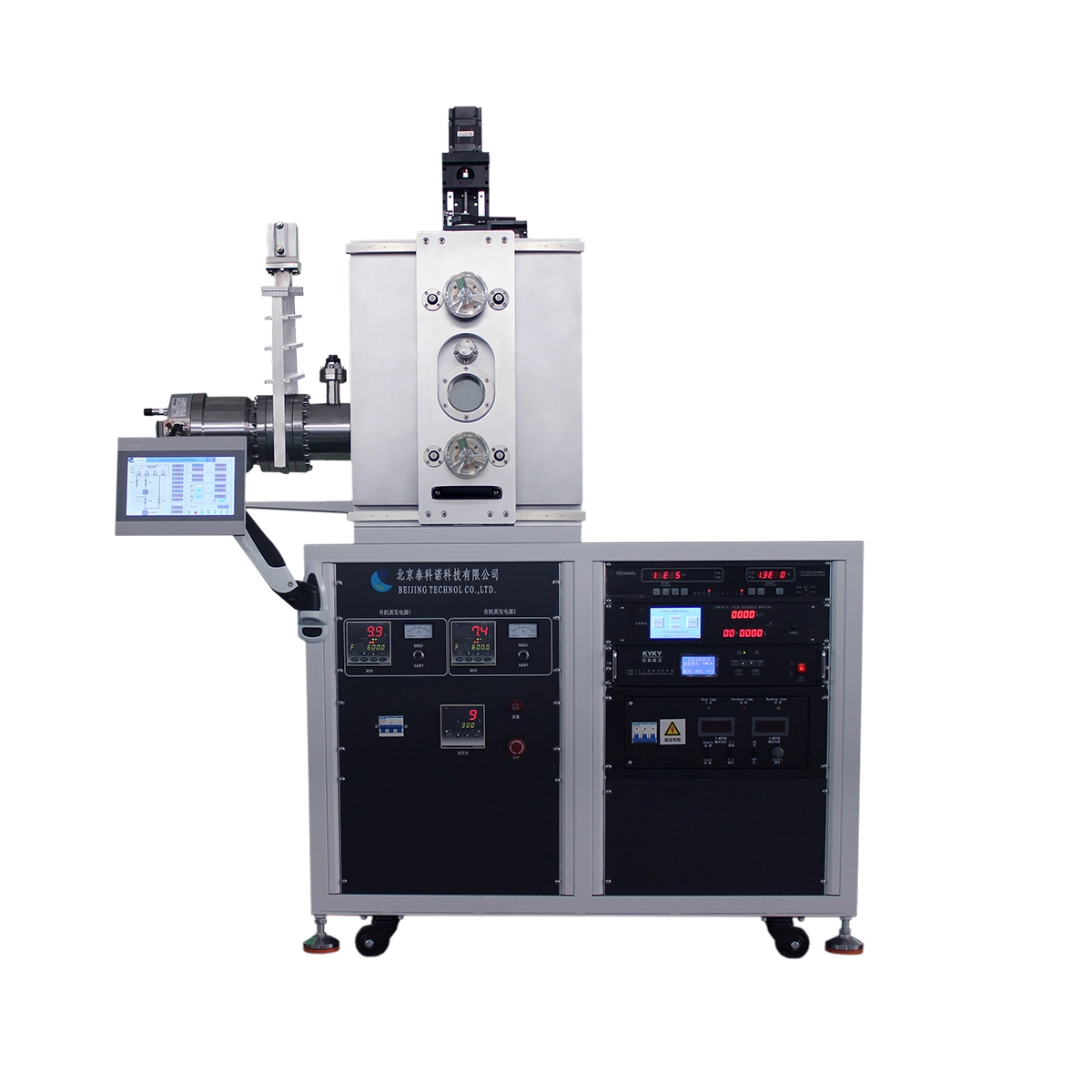
A perovskite coating machine is a research-oriented thin film preparation system used for perovskite solar cells, OPV solar cells, OLED thin films and other optoelectronic device research. Its purpose is to help researchers prepare functional films under more controllable and repeatable process conditions.
Compared with a general coating machine, a perovskite research system usually needs to support more than one process requirement. It may involve evaporation coating, magnetron sputtering, protected sample transfer, packaging, testing or glove box integrated operation. For moisture- or oxygen-sensitive perovskite materials, this kind of controlled workflow can be especially important.
In solar cell R&D, film quality can strongly affect device performance. A small difference in film thickness, interface uniformity, contamination control or sample handling may lead to very different test results. Therefore, researchers usually need equipment that can support stable thin film preparation and allow different experiments to be compared under consistent conditions.
For a university laboratory, the system may be used for material exploration, small-area device preparation and experimental comparison. For a research company, the same type of equipment may be used to validate device structures, test process repeatability and prepare for pilot testing. In both cases, the value of a perovskite coating machine lies in its ability to support flexible and reliable thin film research.
When choosing a perovskite coating machine, the first question is the research stage. A laboratory focused on early material screening may need flexibility and easy process adjustment. A team working on device validation may care more about repeatability, layer uniformity and stable sample preparation. A pilot testing team may need larger substrate compatibility and a workflow that can support future scale-up.
The second question is the device structure. Perovskite solar cells may involve perovskite layers, electron transport layers, hole transport layers, back electrodes and other functional films. Different layers may require different coating methods or process environments. A good equipment selection process should start from the target film stack, not from a single machine name.
The third question is the coating method. In perovskite solar cell R&D, evaporation coating and PVD magnetron sputtering may be used for different research purposes. A perovskite evaporation coating machine may be suitable for vacuum-based preparation of perovskite-related films, electron transport layers or back electrode-related films. A PVD magnetron sputtering machine may be considered for hole transport layers, metal back electrodes or functional thin films, depending on the research route.
The fourth question is environmental control. Many perovskite materials are sensitive to moisture and oxygen. If the sample needs to move between coating, packaging and testing steps, glove box integration may help reduce uncontrolled air exposure. This is not just a convenience feature. For sensitive material research, protected handling can influence experiment stability and data reliability.
Other factors should also be considered, including sample size, vacuum performance, process repeatability, material compatibility, ease of maintenance and future pilot testing needs. The right R&D coating equipment should match both the current experiment and the next stage of research development.
A simple way to evaluate the selection process is shown below:
| Selection Factor | Why It Matters in Perovskite Solar Cell R&D |
|---|---|
| Research stage | Determines whether the priority is flexibility, repeatability or pilot testing |
| Film stack | Helps identify which layers and coating methods are needed |
| Coating method | Affects material compatibility, film quality and process control |
| Glove box integration | Supports moisture- and oxygen-sensitive research workflows |
| Sample size | Influences laboratory testing and future scale-up possibilities |
| Repeatability | Allows different experiments to be compared more reliably |
| Pilot testing plan | Helps the research team avoid choosing equipment that is too limited |
There is no single perovskite coating machine configuration that fits every laboratory. The suitable configuration depends on the device structure, research material, coating method and target application. For this reason, research teams should evaluate the equipment configuration according to the actual workflow rather than selecting equipment only by category name.
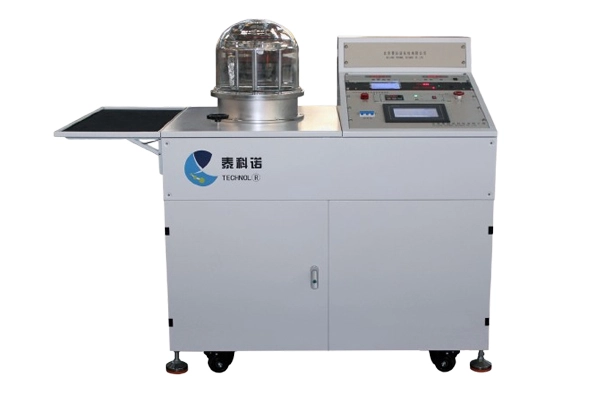
A perovskite evaporation coating machine may be suitable when the research project requires vacuum-based thin film preparation for perovskite solar cells or OPV organic solar cells. In a perovskite-related workflow, this type of configuration can be used for film preparation related to perovskite layers, electron transport layers and back electrodes, depending on the material system and process design.
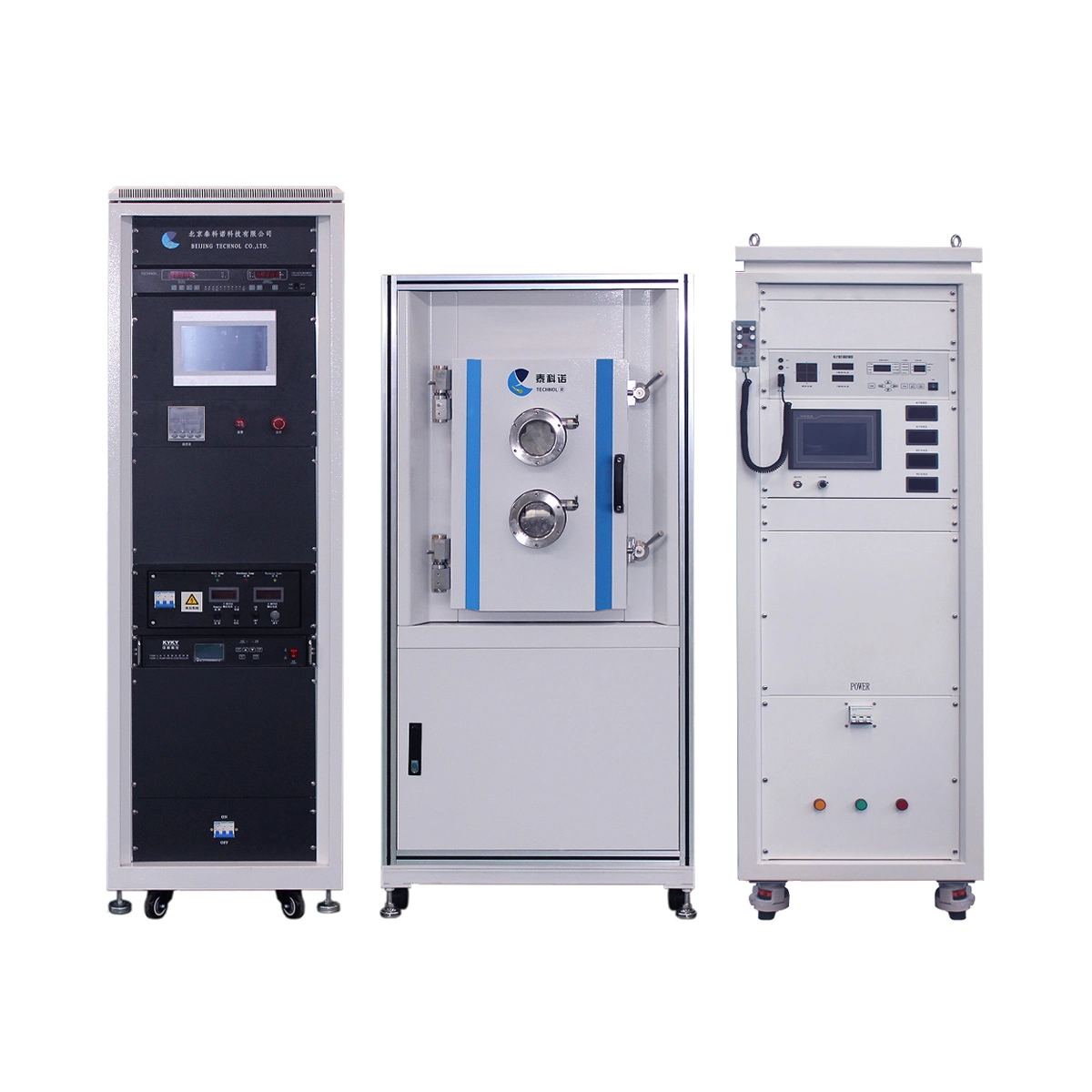
A PVD magnetron sputtering machine may be more suitable when the research involves hole transport layers, metal back electrodes, clean vacuum composite coatings or functional thin films. Magnetron sputtering can be useful for research teams that need controlled film formation and stable thin film preparation in a vacuum environment.
A glove box integrated coating workflow is important when the research material or device structure is sensitive to air exposure. In perovskite solar cell R&D, the ability to connect coating, transfer, packaging or testing steps inside a protected environment can help improve process control. This is especially useful for laboratories that need to compare device performance across multiple experimental batches.
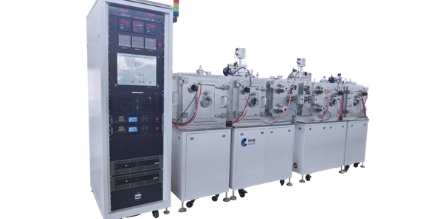
For research teams with broader requirements, a combined configuration may be more practical. One laboratory may need to study perovskite solar cells, OPV solar cells and OLED thin films at the same time. Another team may need both evaporation coating and magnetron sputtering for different functional layers. In these cases, the best choice may be a flexible research platform rather than a single-purpose coating tool.
The table below summarizes common configuration choices:
| Configuration | Suitable R&D Use | Selection Logic |
|---|---|---|
| Perovskite Evaporation Coating Machine | Perovskite-related films, electron transport layers and back electrode-related preparation | Suitable for vacuum-based thin film preparation in perovskite and OPV research |
| PVD Magnetron Sputtering Machine | Hole transport layers, metal back electrodes and functional thin films | Suitable for controlled vacuum coating and composite film research |
| Glove Box Integrated Coating Workflow | Moisture-sensitive perovskite material research | Suitable when coating, transfer, packaging or testing requires protected handling |
| Combined R&D Configuration | Universities, institutes and companies testing multiple device structures | Suitable when one research team needs flexibility across several thin film routes |
The most important point is to avoid assuming that one configuration can solve every research challenge. A reliable selection process should begin with the device structure, materials, sample size, environmental requirements and future testing plan.
Choosing a perovskite coating machine should start from the research goal, device structure and required coating workflow. For universities, research institutes and R&D companies, the most suitable system is not always a single-purpose coating tool, but a configuration that supports repeatable thin film preparation, environmental control, flexible layer development and future pilot testing.
Looking for suitable perovskite film preparation equipment for your research?
Contact Technol to evaluate the right perovskite coating machine configuration for your solar cell R&D, OPV, OLED thin film and pilot-scale preparation needs.
This is the first one.