 You are in our Global Site


Jul 02 , 2026
Selecting the right vacuum coating technology affects coating quality, substrate compatibility, film uniformity and long-term cost. PVD vs CVD thin film deposition is a key comparison because both technologies create functional films through different mechanisms.
PVD coating uses physical methods to transfer material from a source or target to the substrate in a vacuum environment. CVD coating uses gaseous precursors that react or decompose near the substrate surface to form a solid film. In simple terms, PVD is mainly a physical deposition route, while CVD is mainly a chemical reaction route.
For buyers, the better choice depends on substrate material, film properties, coating temperature, part geometry and production purpose.
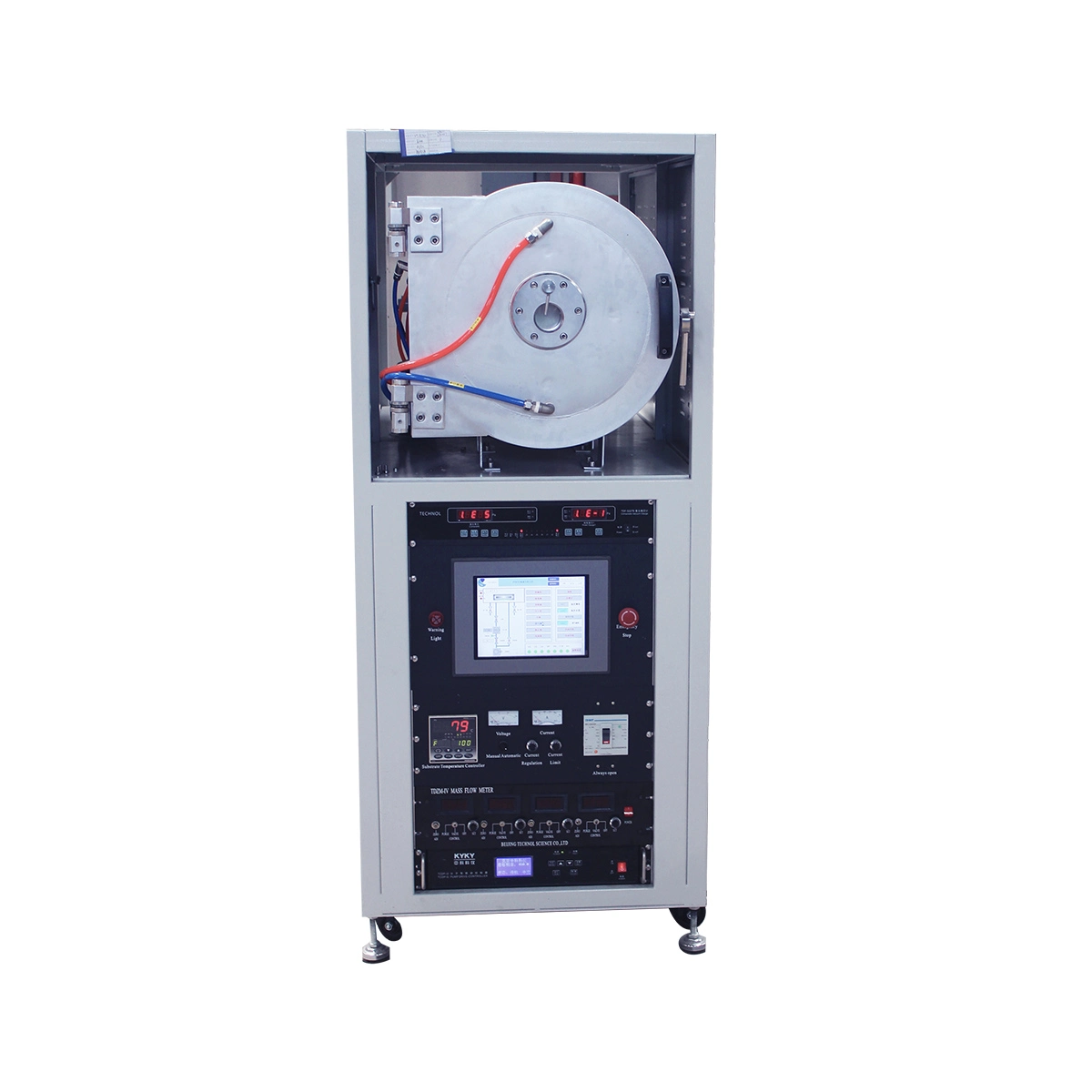
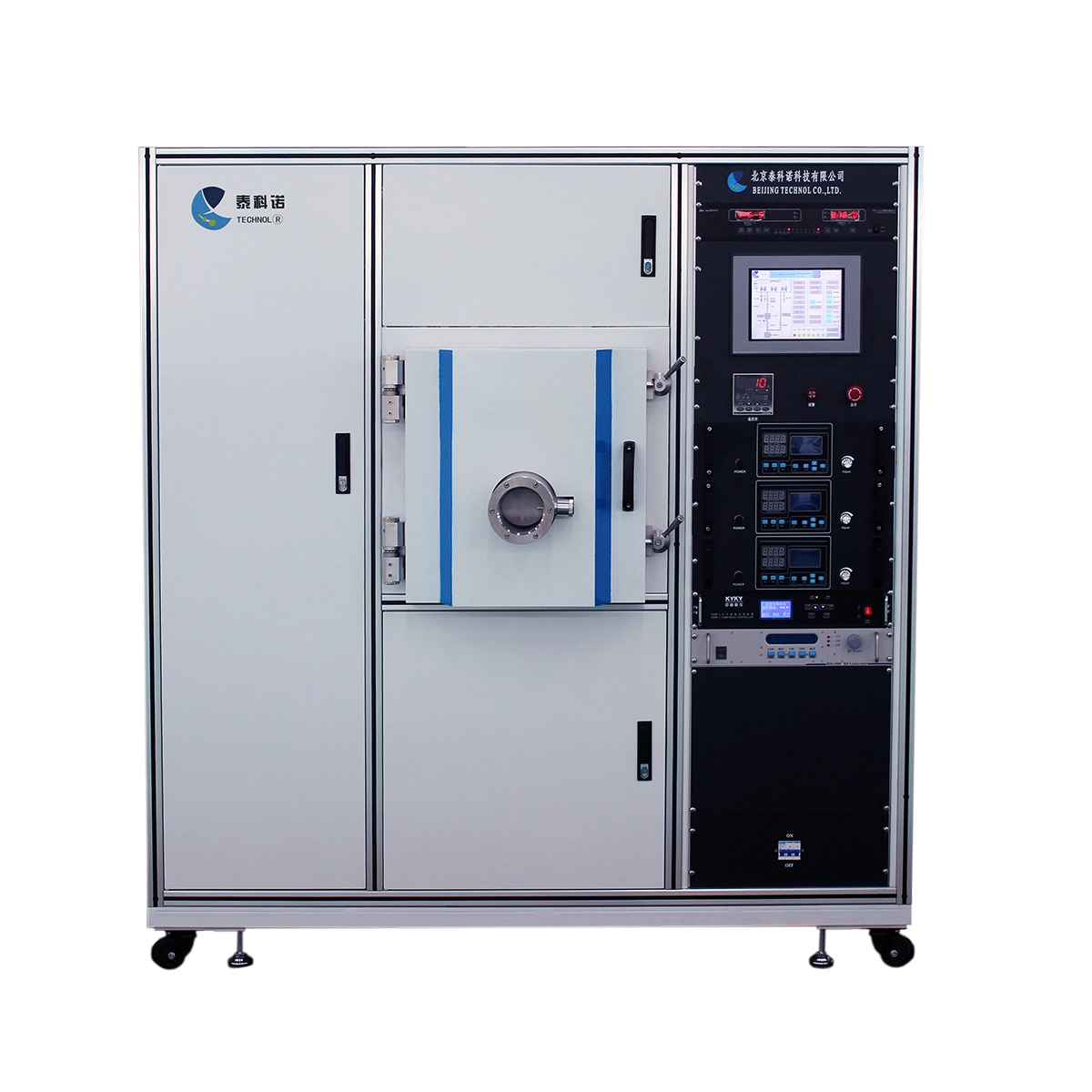
Physical Vapor Deposition, or PVD, is a family of coating methods where coating material is physically vaporized, sputtered or ionized, then deposited onto the substrate surface. Common PVD methods include vacuum evaporation, sputtering deposition and ion coating. Technol's PVD coating machine solutions are related to evaporation coating, perovskite thin film preparation, nano hard films, large-area flat panel coating and magnetron sputtering coating.
PVD is widely used when users need clean film deposition, good adhesion, controllable thickness and compatibility with temperature-sensitive substrates. Because many PVD processes operate at relatively lower substrate temperatures than high-temperature CVD methods, they can be suitable for metals, glass, ceramics and some advanced functional materials.
Chemical Vapor Deposition, or CVD, forms films through chemical reactions between gaseous precursor materials. These reactions occur near or on the substrate surface, creating a thin solid film. Technol features several CVD routes, including plasma enhanced CVD, hot filament CVD, high density plasma CVD, microwave plasma CVD, low pressure CVD, thermal CVD, high temperature CVD and laser induced CVD.
CVD is often selected when the target film needs excellent conformity, high density, strong film-substrate bonding or special material properties such as diamond film, silicon carbide or microcrystalline films.
SERP-leading articles usually compare PVD vs CVD through process principle, operating temperature, substrate geometry, film thickness, material compatibility and application scenarios. These are also useful decision factors for B2B equipment buyers.
| Factor | PVD | CVD |
|---|---|---|
| Deposition principle | Physical evaporation, sputtering or ion-based transfer | Chemical reaction or decomposition of gaseous precursors |
| Process environment | Vacuum chamber with target/source material | Reaction chamber with controlled gases and temperature |
| Temperature tendency | Often lower than many thermal CVD processes | Often higher, though plasma-assisted CVD can reduce temperature |
| Film coverage | Strong on exposed surfaces; more line-of-sight dependent | Better for complex shapes, grooves and 3D surfaces |
| Film characteristics | Good purity, controllable thickness, decorative or functional films | Dense, conformal and chemically bonded films |
| Suitable examples | Optical films, metal films, conductive films, hard coatings | Diamond film, SiC-related coatings, semiconductor films |
The biggest practical difference is not simply “which coating is better.” It is whether the film formation mechanism matches the substrate and performance requirement. PVD is often preferred when the project needs clean thin film deposition, controllable layers, lower thermal impact and flexible material choices such as metals, oxides and nitrides. CVD is often preferred when the project needs high conformity, dense coatings, high-temperature stability or chemically grown film structures.
For example, a flat glass, wafer, acrylic panel, PC surface or perovskite research substrate may be well matched with a PVD-based system. A cutting tool, diamond film substrate, silicon-based device or high-performance hard film application may require a dedicated CVD process.
A practical selection should start with the coating goal, not the equipment name. Before choosing a vacuum coating machine, define the film material, substrate type, coating area, temperature limit, uniformity, film thickness, adhesion standard and expected production rhythm.
| Project requirement | More likely to choose |
|---|---|
| Low thermal impact on substrate | PVD |
| Metal, oxide, nitride or transparent conductive film | PVD |
| Large-area flat panel coating | PVD |
| Perovskite, OPV or OLED thin film research | PVD / evaporation / sputtering |
| Complex 3D surface with high conformality demand | CVD |
| Diamond film or microcrystalline hard film | CVD |
| High-density chemically grown functional layer | CVD |
| High-temperature ceramic or carbide-related coating | CVD |
If your substrate is heat-sensitive, start by evaluating PVD. Magnetron sputtering, evaporation and ion coating can give engineers flexible control over film composition and thickness. This is useful for optical coatings, electronic films, decorative coatings and transparent conductive layers.
If your application requires a dense film on complex surfaces, or if the film must be grown through gas-phase chemical reactions, CVD may be more suitable. Hot filament CVD, microwave plasma CVD and low pressure CVD are often considered when film density, crystal quality, diamond film growth or special semiconductor-related properties are more important than low-temperature processing.
For many buyers, the best answer is not one universal method. A coating equipment supplier should first understand the substrate, film target, coating purpose and production scale, then recommend the right configuration. Technol provides product categories across PVD coating machine, CVD-related diamond film systems, magnetron sputtering coating machines, evaporation coating equipment and other vacuum coating solutions.
Do not choose by name alone.
Define the coating material, substrate geometry, allowable temperature, film thickness, adhesion, uniformity and application environment first. Then compare whether a physical deposition process or a chemical vapor reaction process can deliver the required result more reliably.
If you are not sure which vacuum coating technology fits your substrate, film target or production needs, Technol can provide a custom solution that meets your needs.