 You are in our Global Site


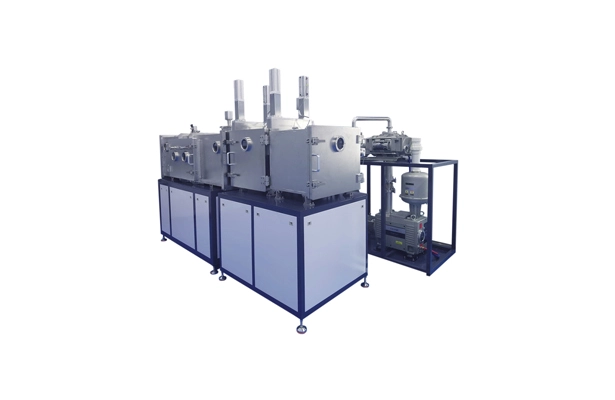
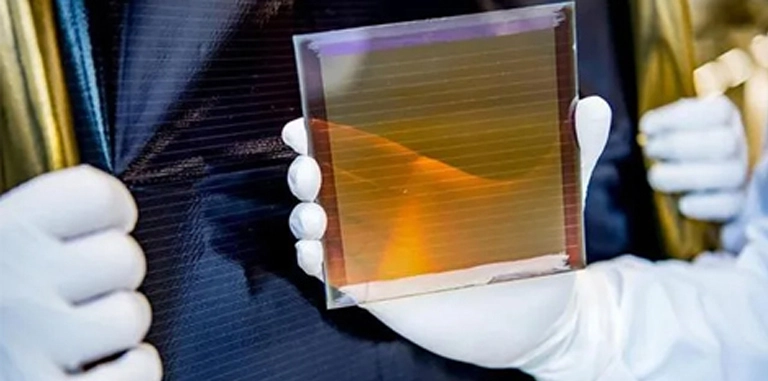
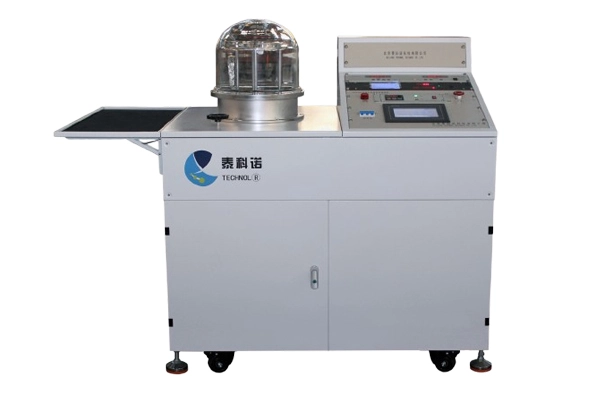
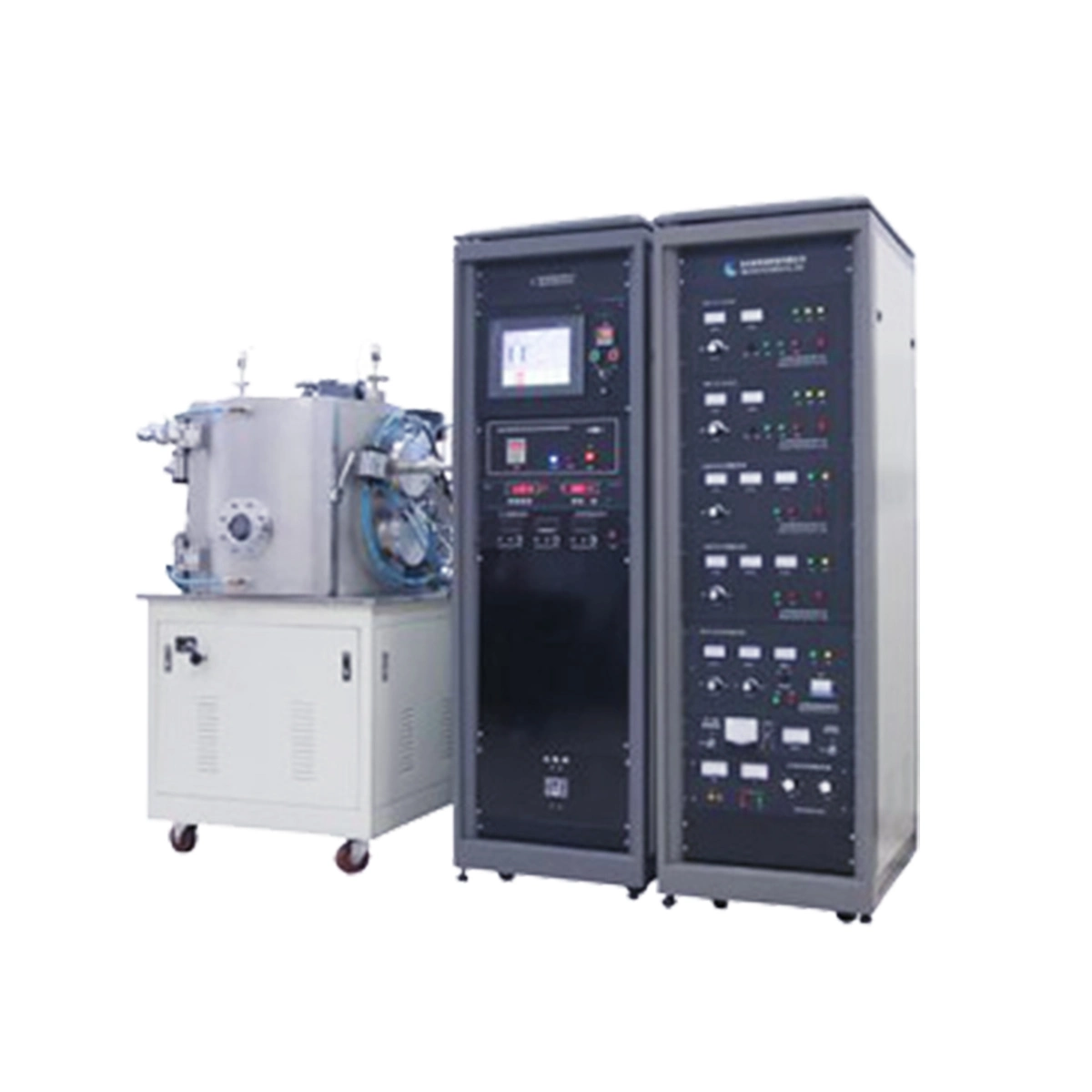
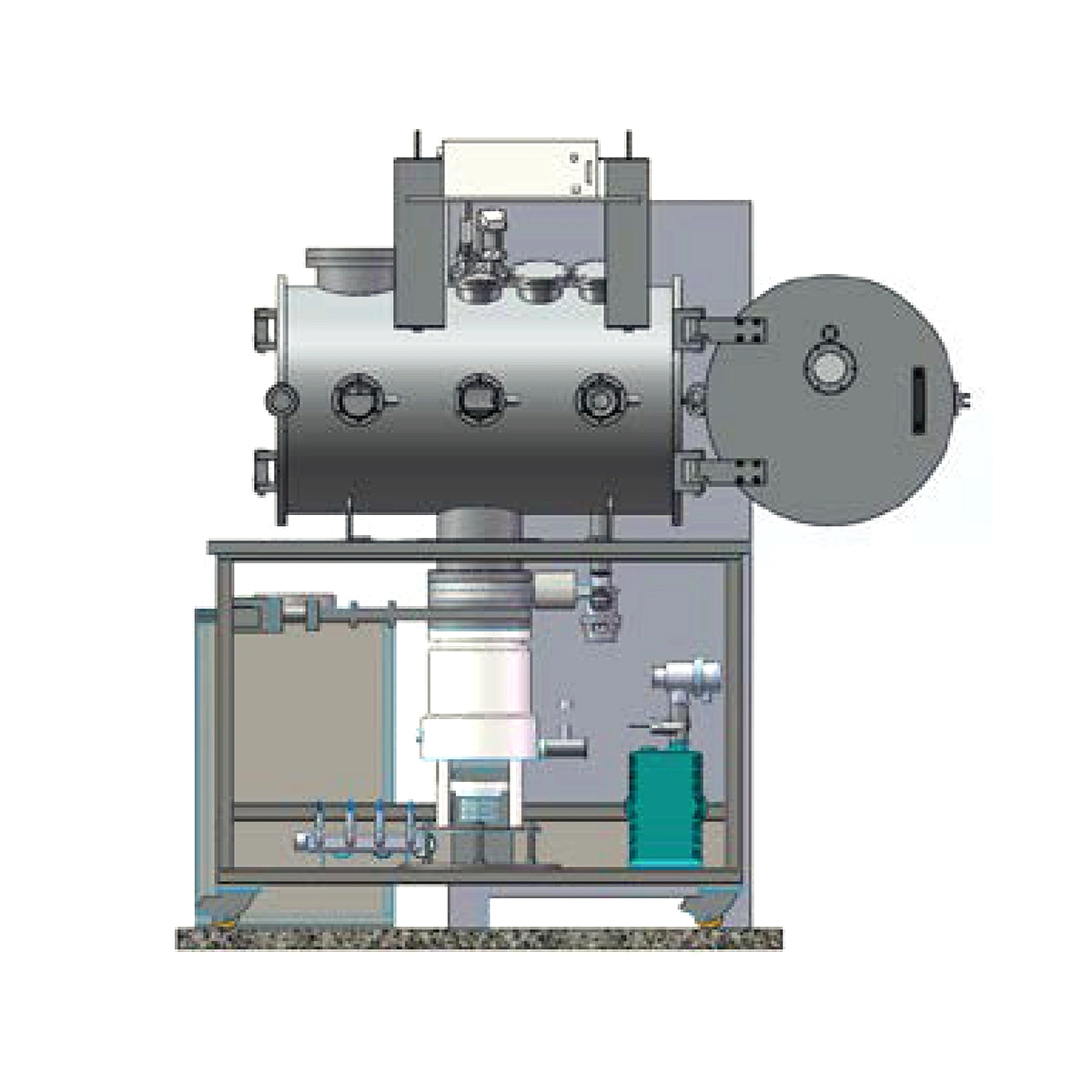
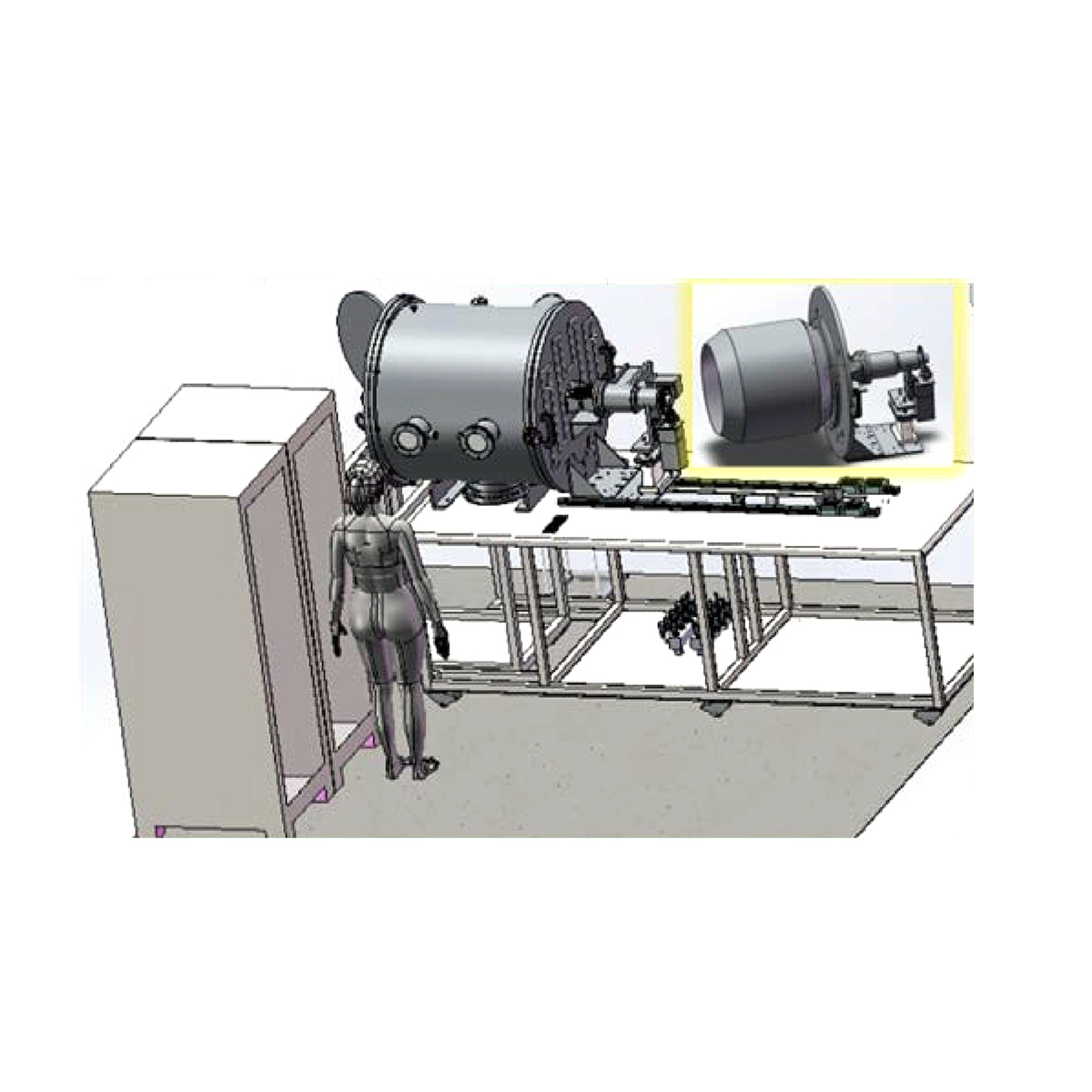
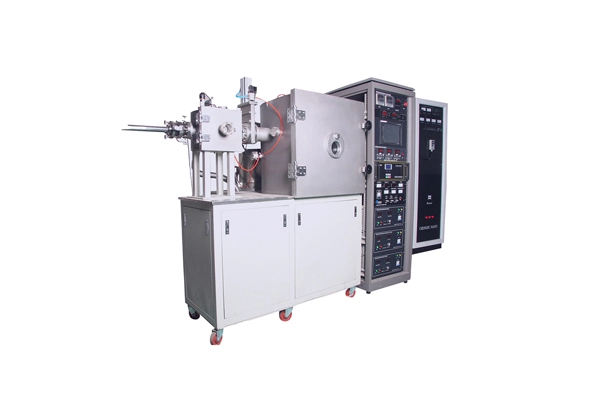
Technol's powder material surface modification equipment uses magnetron sputtering in a vacuum chamber to deposit metal, metal oxide, metal nitride, and alloy thin films onto moving powder particles. Unlike conventional powder coating systems that spray dry powder onto finished components, the JGCF series is designed to modify the surfaces of the powder particles themselves. For buyers evaluating powder material surface modification equipment for sale, Technol offers the JGCF3500, JGCF800, and JGCF1000 with different powder movement and processing configurations.

Powder coating is a popular finishing process that involves applying a dry powder to a metal surface, which is then cured under heat to form a durable, protective layer. The primary machine used for this process is a powder coating gun, often an electrostatic spray gun. This gun charges the powder particles, causing them to adhere to the electrically grounded metal surface. After application, the coated item is placed in a curing oven, where the powder melts and forms a smooth, hard finish. Additional equipment may include powder booths for containment and recovery systems for excess powder.
The time required to powder coat an item can vary based on several factors, including the size and complexity of the object, the type of powder coating used, and the curing process. Generally, the entire process can take anywhere from a few hours to a full day. Preparation, including cleaning and masking, typically takes 1-2 hours. The actual powder application is relatively quick, often completed in 15-30 minutes. Curing in an oven usually takes about 20-30 minutes at a temperature of around 350-400°F (175-200°C). Allow additional time for cooling and quality inspection. Always consult with a professional for more accurate estimates.
Powder surface modification deposits a coating directly onto powder particles. Powder surface modification deposits a coating directly onto powder particles through vacuum coating technology. Conventional powder coating sprays dry powder onto finished parts and then cures it with heat.
Powder particles move inside a vacuum chamber while a magnetron sputtering machine deposits the target material onto their surfaces. Conventional powder coating sprays dry powder onto finished parts and then cures it with heat.
Look for a company with experience in vacuum deposition, powder-handling systems, equipment customization, factory testing, and after-sales support. The supplier should recommend a suitable configuration based on your powder, particle size, coating material, and processing capacity.
The cost depends on processing capacity, powder characteristics, sputtering-source configuration, vacuum system, optional heating, controls, and customization. Submit your powder and coating requirements for an accurate quotation.